
Share the page
Tanzania
Tanzania is the largest and second most populous country in East Africa, home to one of the continent's youngest populations. The region's second largest economy, it has experienced strong and sustained growth since 2000, reaching middle-income status in July 2020 — five years ahead of schedule. Its projected growth rate for 2026 stands at 6.3%.
However, significant challenges remain: reducing poverty (ranked 167th on the global HDI), improving access to essential services, and ensuring responsible management of natural resources for inclusive and sustainable prosperity.
Context
Bordering the Indian Ocean, Tanzania is the largest country in East Africa. It is also the most populous, with more than 61 million inhabitants and a strong demographic growth. Its geographical location — with borders shared with eight countries and a 750-kilometer long coastline — makes it a true regional hub. Tanzania is also one of the youngest African states: 45% of its population is under 15 years old.
Tanzania has experienced steady economic growth for over 20 years, mainly due to its stable political situation, the diversity of its productive sectors and its strategic position at the crossroads of Africa and the Indian Ocean. The country also has an exceptional natural heritage and resources.
However, poverty persists, especially in rural areas where 65% of the population lives. Nearly one out of every two inhabitants lives below the poverty line, and many have no access to essential services (water, sanitation, energy, digital access).
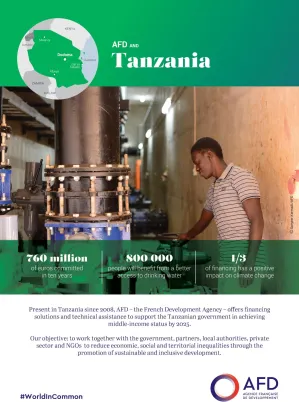
AFD has been active in the country since 1993 through its subsidiary Proparco based in Nairobi, Kenya, and has been present in Tanzania since 2008. It operates through grants and loans to the State and the private sector, as well as grants to civil society, to promote sustainable, balanced and inclusive development. Its subsidiary Expertise France is also active in the country.
AFD's Tanzania office is directly attached to the East Africa regional office in Nairobi.
Our approach
AFD in Tanzania: Shared prosperity while also preserving the environment
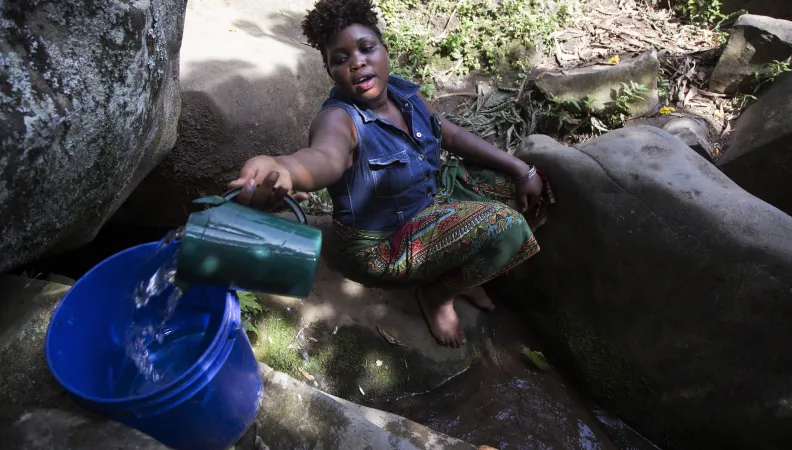
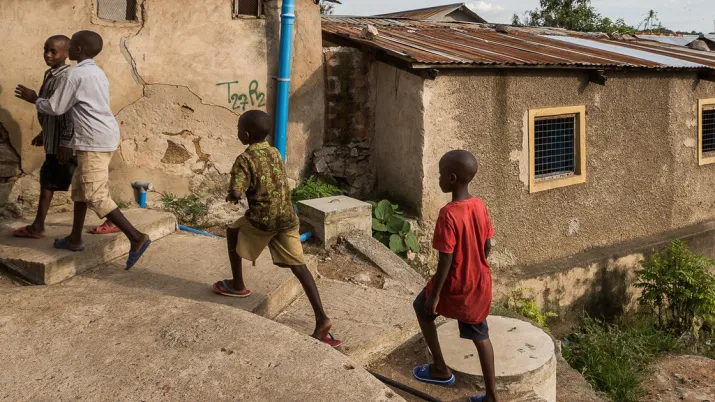
Despite notable progress, access to essential services in Tanzania remains limited: 61% of the population has access to basic water, 31% to sanitation services and 46% to electricity. To bridge these gaps, Agence Française de Développement (AFD) supports the development of essential services – water, sanitation, energy and health – with particular attention to the most vulnerable communities.
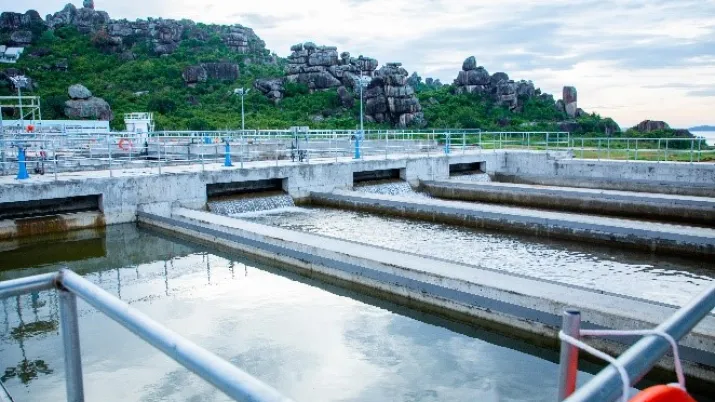
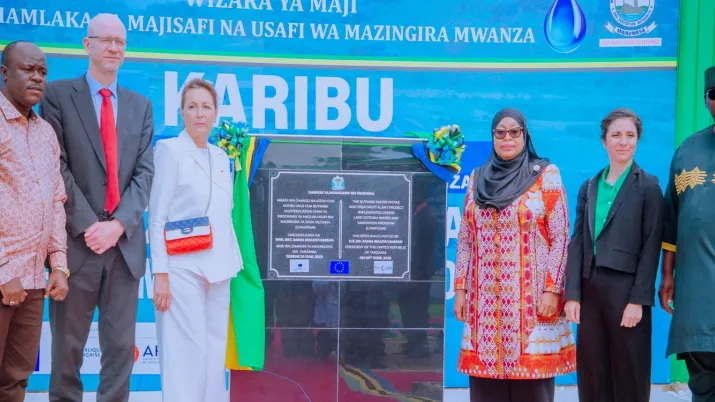
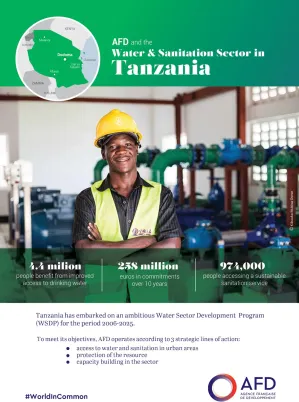
Water and sanitation: For more than 15 years, AFD has financed projects in cities around Lake Victoria to improve access to safe drinking water and sanitation for more than 1.5 million people.
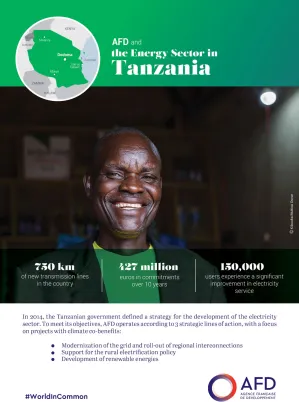
Energy: Through dedicated financing, AFD contributes to providing electricity to 490,000 rural inhabitants, reducing inequalities in access to electricity.
Health: In partnership with the Aga Khan Health Service Tanzania, AFD supports a program to combat women's cancers in Tanzania and Kenya. The initiative focuses on early screening and treatment of breast and cervical cancers – the two most common cancers in women – in 13 health centers.
Facing challenges from urbanization, climate change and environmental degradation, AFD supports the development of ecological and resilient territories. The goal is to promote urban planning and infrastructure while protecting natural resources through sustainable agriculture and ecosystem conservation.
- Urban transport: AFD finances phase 5 of Dar es Salaam's bus rapid transit (BRT) system, which will enable 400,000 daily passengers to access employment and essential services more quickly. This project will also improve air quality and avoid emissions of more than 70,000 tons of CO₂eq per year.
- Rural development and ecosystems: In rural areas, AFD strengthens food security, resilience and ecosystem services. It supports the Tanzania Forest Service (TFS) in managing 22,500 hectares of sustainable forest plantations and restoring 3,500 hectares of degraded mangrove forests.
AFD supports public and private investments in infrastructure needed to accelerate industrialization, strengthen regional integration and create jobs. Its action focuses on energy, digital technologies and support for the financial sector to stimulate entrepreneurship and align economic practices with the Sustainable Development Goals (SDGs).
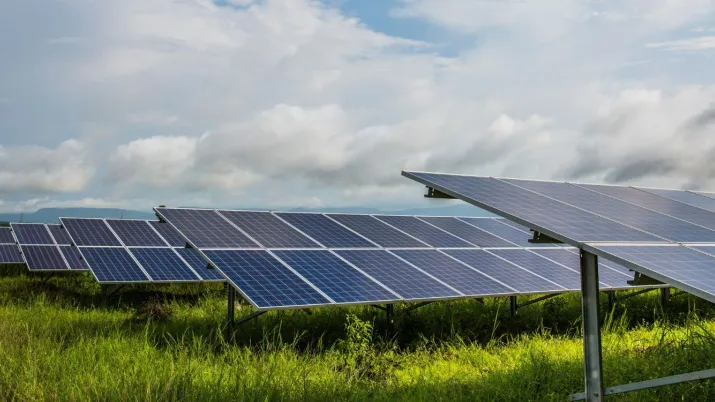
- Energy transition: AFD finances projects to strengthen Tanzania's electricity grid, including interconnection with Zambia, as well as investments in renewable energy – including Africa's second-largest solar power plant (150 MW) and an 87.8 MW hydroelectric plant.
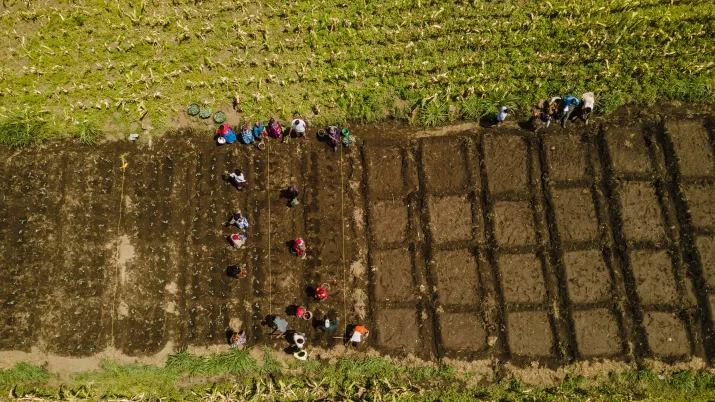
- Food value chain financing: Through a credit line and technical assistance, AFD supports the Tanzania Agricultural Development Bank (TADB) to improve farmers' access to financing.
- Private sector development: Within AFD Group, Proparco collaborates with major Tanzanian banks, such as CRDB and NMB, to support the local private sector and promote financial inclusion for small and medium enterprises, particularly those led by women or engaged in climate-focused activities.
AFD supports the projects of NGOs active in the country in the fields of agriculture, biodiversity, health, human rights and microfinance.
Our partners in the field include: Plan International, CARI, Îles de Paix, SMILO (The Small Islands Organization), Fondation Pierre Fabre and Agronomes et Vétérinaires Sans Frontières (AVSF).
In the field
Below, find the country's projects, news, publications, and contact details in one click.
Projects
News & Press Releases
East Africa poised for renewable energy boost with Kenya-France Geothermal Agreement
Published on September 4, 2025

Publications & Media
Key figures
-
1.5 million people have better access to water
-
17 years of action in Tanzania
-
1.4 million euros committed